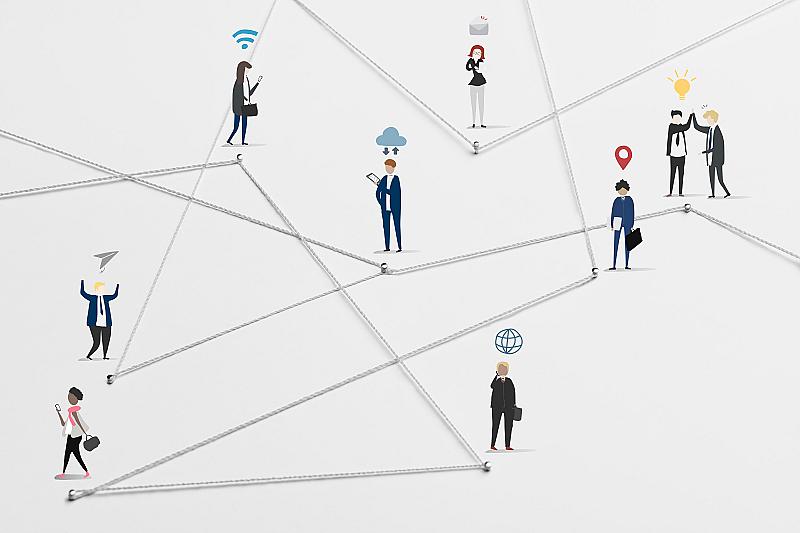

The legacy of MSN Messenger also began early in the Netherlands, with explosive adoption. By the mid-2000s, nearly every student had a Hotmail address, and MSNing became a common term. At home behind the PC, often via a slow dial-up connection, millions of Dutch people became acquainted with the power of instant messaging, long before WhatsApp or Slack existed. The legacy of MSN proved to be something lasting
What made MSN so popular among millions of users?
Technologically, MSN Messenger was a pioneer. It offered users a simple interface, fast text exchange, and personalization options from the start. Contacts could be added with just an email address, making it easy to build a network. The service quickly introduced features like emoticons, avatars, display name adjustments, and the legendary nudge function, which allowed a conversation partner to literally be nudged via a screen vibration.
What set the tool apart from its competitors was the deep integration into the Windows ecosystem, including linking with Outlook/Hotmail. This led to direct accessibility for hundreds of millions of users. Especially in the Netherlands, this resulted in a digital lifestyle where social contacts were largely maintained online. Friend list management, group chats, custom statuses (like "brb" or song lyrics), and live sharing of each other's music via Windows Media Player were elements that strongly resonated with the youth.
MSN as a forerunner of modern messaging platforms
Although MSN Messenger seemed simple at first glance, it functionally laid the groundwork for many contemporary communication tools. Features like status notifications, alerts, file sharing, and real-time conversations are now standard in apps like Microsoft Teams, Slack, and Discord. The user experience of MSN - from the popping sound of a new message to the ability to respond immediately via keyboard shortcuts - set the tone for how digital communication should feel: fast, personal, and non-invasive.
Even at the organizational level, the principles of MSN were visibly progressive. The separation between work and personal contacts, privacy settings, and even blocking or temporarily making contacts 'invisible' are now embedded in enterprise chat solutions.
Why did MSN decline despite its popularity?
Ironically, it was precisely this deep-rooted adoption that made MSN vulnerable to technological stagnation. While mobile devices quickly gained ground, MSN Messenger clung to the desktop model for a long time. The mobile strategy came late and incoherently, with fragmented apps that failed to approach the user experience of the desktop version. At the same time, alternatives like WhatsApp, Skype, and Facebook Messenger emerged - mobile-first and focused on simplicity and continuous reach.
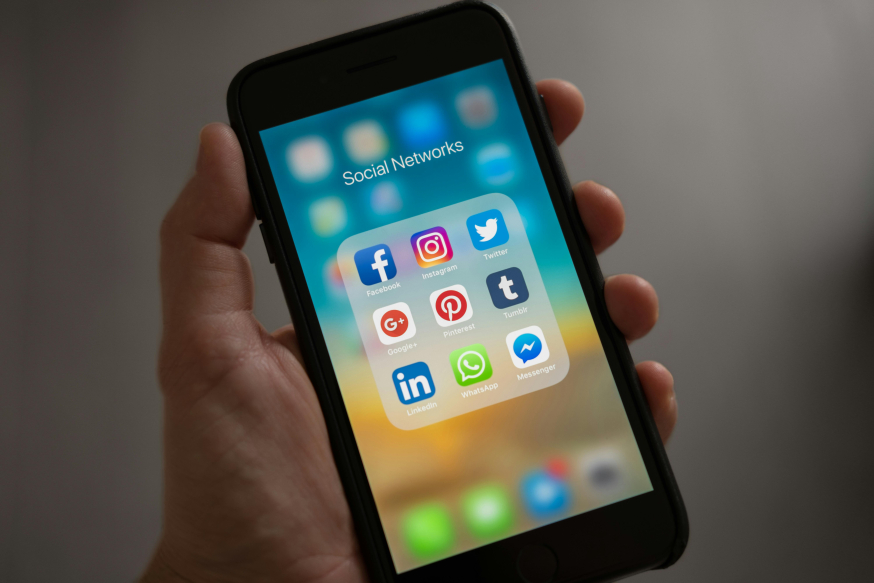
MSN was discontinued by Microsoft some time ago, and the tech giant migrated users to Skype, which it had acquired in 2011. Although technically Skype offered more features (like video and VoIP), Microsoft also lost the specific ease of use, recognizability, and social dynamics of MSN. The transition was experienced as abrupt and disappointing in many countries, including the Netherlands. When this also didn't work, Microsoft cut ties with Skype earlier this year.
Legacy of MSN: what still lives on in modern tools?
The legacy of MSN Messenger still lives on in contemporary platforms. Microsoft Teams, the business successor within the Microsoft ecosystem, now offers similar features like group chats, statuses, and presence overviews - but in a business context. Slack, WhatsApp, and even AI interfaces like ChatGPT indirectly carry the stamp of MSN's design philosophy: direct, accessible, and personal.
Additionally, the cultural legacy of MSN is still noticeable. In the Netherlands, there are numerous nostalgic forums, memes, and retrospective articles that recall the 'golden age' of status updates, screen names full of ASCII art, and secret chat sessions during homework. The UX choices of that time, such as the direct presence of friend lists and quick interaction without distraction, are now being appreciated again within minimalist app designs.
The memory remains
MSN Messenger was more than just a chat tool. It was a platform that taught a generation what online communication could be: personal, direct, and socially connecting. In a time without smartphones, push notifications, or cloud integration, MSN managed to connect millions of people daily.
For the Dutch market, it was even a social foundation: friend groups, romantic relationships, and school projects originated in chat sessions deep into the night. The platform taught users - consciously or unconsciously - the rules of digital communication: from status respect to the importance of timing in text conversations.
Although MSN has now made way for more advanced tools, it remains an icon in digital history. And for many in the Netherlands, a piece of youth, wrapped in a creaking login sound and a blinking pop-up window.