
What does SIM only mean at its core?
A SIM only subscription means that you do not take a device from your provider. You only pay for call minutes, SMS, and data, and use your own hardware. This makes this subscription model transparent: no hidden device payments in your monthly costs and more freedom to decide when to replace your smartphone. In a business or technical environment, this is attractive because hardware and connectivity can be managed separately. Think of organizations that centrally purchase devices or allow employees to choose their own device (BYOD). With Lyca Mobile SIM only, the subscription part remains clear and scalable.
What is eSIM exactly?
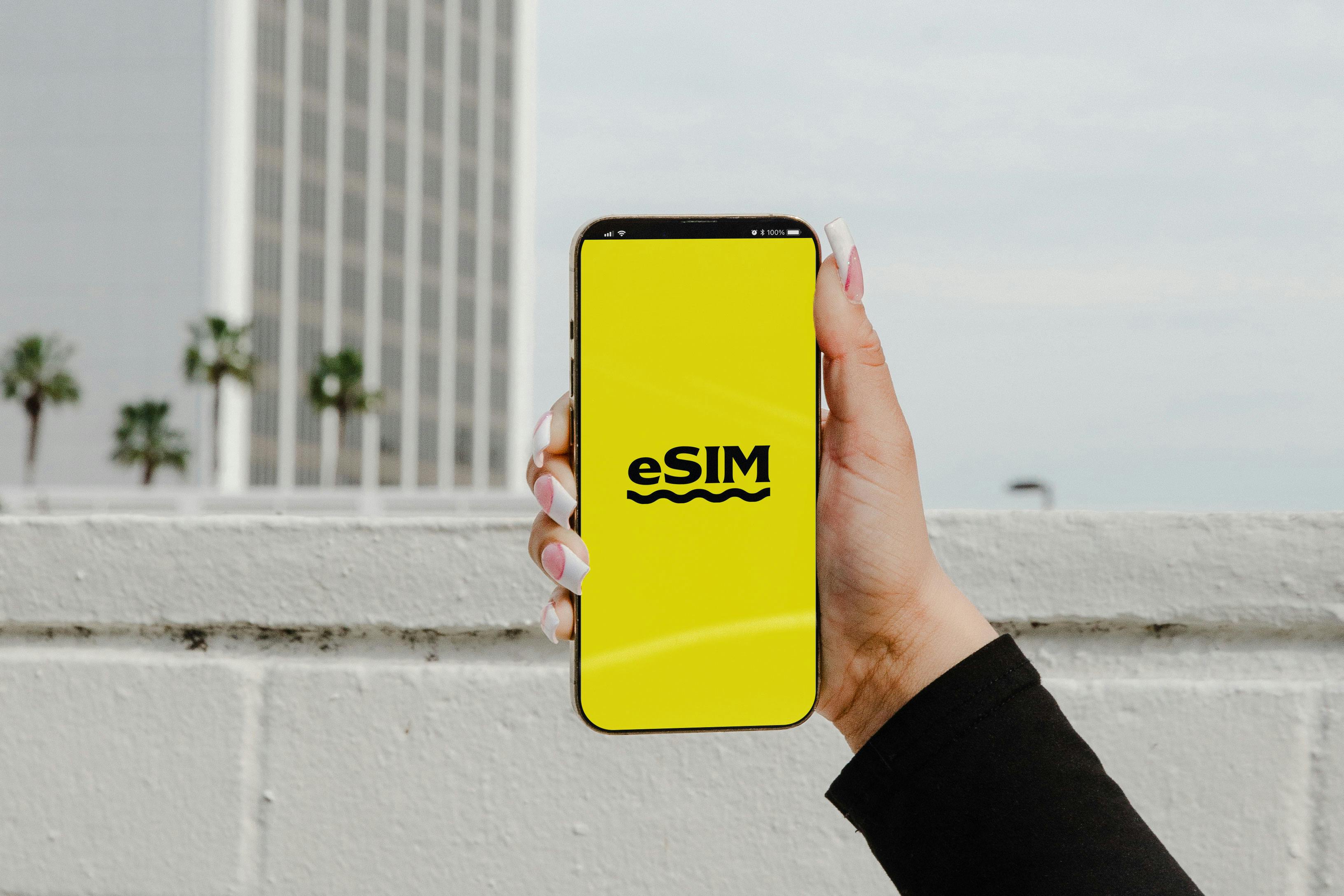
eSIM stands for embedded SIM. Instead of a separate card that you physically place in a device, the SIM functionality is built into the hardware. You download a profile from your provider that contains the network data. This profile is managed via software and can be added, removed, or replaced at any time. Technically, this means less dependence on physical components and more possibilities for remote provisioning. For ICT departments, this opens the door to faster rollouts, simpler management, and fewer logistical actions.
Why the combination is interesting
SIM only and eSIM logically complement each other. The former offers financial and contractual flexibility, while the latter provides technical agility. Together, they form a setup that fits well with modern work forms and device strategies. Some practical advantages of this combination:
- Faster activation: No waiting time for a physical card; profiles are delivered digitally.
- Dual SIM without extra slot: Many devices combine a physical SIM with an eSIM, or even multiple eSIM profiles.
- Easy switching of providers: New bundle, new QR code, done.
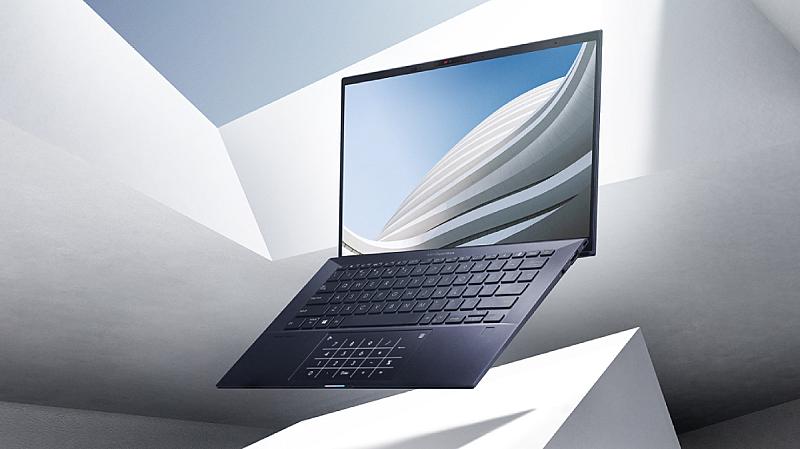
- Support for multiple devices: Think of smartwatches, tablets, or laptops with mobile connectivity.
For organizations that regularly test with networks, devices, or providers, this flexibility is not a luxury but a functional advantage.
Typical use cases in an ICT environment
In practice, you mainly see SIM only with eSIM in situations where speed and scalability are important:
- Project teams and temporary staff: Quickly activate a number without physical distribution.
- International deployment: Add local eSIM profiles without swapping SIM cards.
- Device testing: Multiple profiles on one device for QA or development purposes.
- Wearables and IoT-light applications: Devices with limited interfaces benefit from digital provisioning.
These use cases show that eSIM is not just a consumer feature, but also plays a serious role in professional environments.
More than a technological trend
SIM only with eSIM is not a standalone innovation, but part of a broader shift towards software-driven connectivity. Less physical dependencies, more remote control, and faster implementation: it aligns with how infrastructure in other domains has been designed for years.